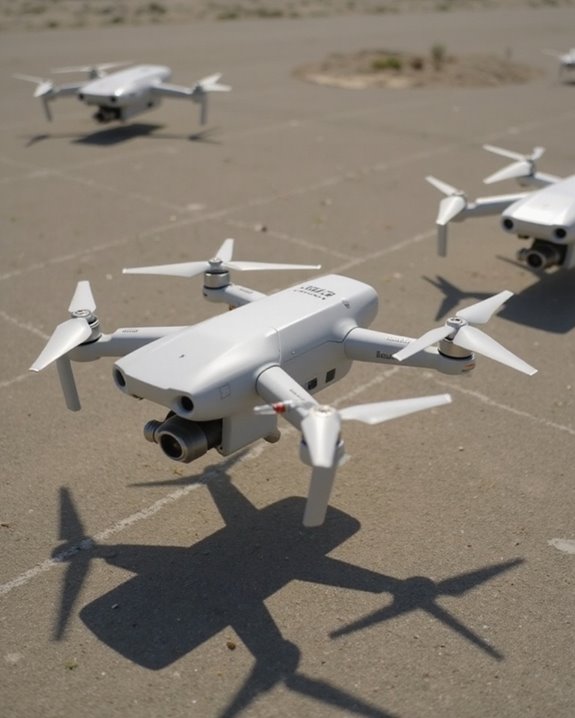
The world of drone piloting is undergoing a seismic shift as tech keeps to evolve and expand its applications across diverse industries. With the growth of commercial drone use, pilots are no longer just operators; they are becoming key participants in determining the future of drone operations. These talented experts are mastering complex rules, adopting advanced tools, and enhancing their craft to meet the growing demand for drone solutions in areas ranging from real estate to agriculture and beyond.
As the drone revolution unfolds, comprehending the complexities of flying drones professionally is essential. Pilots must be well-versed in the FAA's rules, including navigating FAA Part 107 waivers for night flying and operations over people. Additionally, the importance of proper paperwork, such as that needed to clear controlled airspace, is critical. This article explores into the critical aspects that drone pilots must to master to guarantee safety, adherence, and efficiency in their operations, ultimately contributing to the wider integration and acceptance of drone innovations in everyday business operations.
Navigating FAA Part 107 Waivers
For unmanned aircraft system pilots conducting operations under the regulations of FAA Part 107, acquiring waivers is crucial for increasing operational flexibility, especially for nighttime operations and flying over people. The waiver process involves providing a detailed application that demonstrates the operator's ability to carry out operations safely outside the standard regulations. Drone Pilots Cawdor Inverness-shire must demonstrate how their particular activities adhere to safety guidelines and mitigate risks, which is crucial for the FAA's assessment of the waiver.
To start the waiver application, pilots should thoroughly examine the FAA's instructions and confirm they meet all prerequisites. Documenting an operational plan that details the intended use, safety measures, and strategies for minimizing risk is important. This plan should also outline pilot qualifications, capabilities of the equipment, and how operations will adhere to safety regulations. Clear and concise documentation can greatly improve the chances of waiver approval.
Once sent, the assessment process can be time-consuming, and pilots seeking waivers should be willing for potential follow-up questions from the FAA. Maintaining clear communication with the FAA can assist resolve any misunderstandings and expedite the assessment process. Drone Pilots Inverness Inverness-shire should not only be thorough in their application but also stay informed about regulatory changes that might influence their status of their waivers or operational capabilities.
Drones Trends
The advancement of UAV technology has accelerated with improvements in hardware and software, enabling experts to tackle complex tasks with increased efficiency. One key aspect is the contrast between physical and electronic shutters in drone mapping. Mechanical shutters typically provide sharper images with minimal distortion, ideal for recording fine topography, while electronic shutters can be helpful for improving frame rates during rapid flights. Grasping this distinction allows drone users to choose the suitable equipment for their specific mapping requirements.
Infrared imaging drones have grown to be crucial in multiple industries, particularly for locating construction faults and roof moisture leaks. By employing infrared sensors to detect temperature differences, these drones provide important information that are often not visible to the naked eye. This capability enhances maintenance strategies and increases the overall safety of structures, empowering drone operators to deliver solutions that detailed visible light photography cannot achieve alone.
Another critical technological aspect is the use of Real-Time Kinematic (RTK) and Post-Processed Kinematic (PPK) GPS correction systems in precision surveying. RTK offers instant corrections, making it ideal for real-time data collection, while PPK allows for modifications after the flight, which can be more precise due to improved data processing. Grasping the mechanics and applications of these systems helps pilots confirm that their surveying tasks yield accurate and trustworthy results, ultimately affecting the caliber of their work in the commercial field.
Operational Best Practices
To secure a effective drone operation, compliance with FAA regulations is critical. Knowing about Part 107 waivers for night flying and flights over people also enhances safety but further extends the operational potential of drone pilots. Utilizing LAANC for controlled airspace clearances streamlines the process, permitting pilots to focus on their flight objectives while ensuring compliance with regulatory requirements.
Drone pilots should implement routine maintenance checks and establish a professional flight log to satisfy commercial insurance standards. Drone Pilots Inverness Inverness-shire is crucial for coverage and liability considerations, notably when repairs are required after an incident. Comprehending what underwriters seek in liability policies can also protect operators' interests and foster a sense of professionalism in the industry.
Account for environmental factors is just as important; for instance, high winds and low temperatures can substantially impact drone flight times and performance. Pilots are encouraged to regularly inspect their drones, calibrate sensors, and adhere to recommended practices for battery maintenance. By including thorough preparation and ongoing education about drone technology, pilots can efficiently navigate challenges and enhance the quality of their flight operations.