

As the realm of drone technology continues to evolve, veteran drone operators often find themselves treading a landscape teeming with challenges and opportunities. Along with Drone Pilots Barra Inverness-shire in aerial imaging, surveying, and mapping, the demand for experienced pilots has increased significantly. However, operating drones in a professional capacity is much more than navigating the skies; it entails a thorough understanding of aviation laws, equipment mechanics, and the details of flight operations.
In this piece, we bring together insights and experiences of veteran drone pilots who share their narratives and practical tips. From dealing with FAA regulations to keeping equipment and ensuring safety, these operators reveal what it truly takes to master the craft of drone flying. If you're a new enthusiast or a veteran professional, the insights of these expert pilots will help you understand the intricacies of the drone industry and enhance your flying skills to new heights.
Navigating FAA Guidelines for UAS Activities
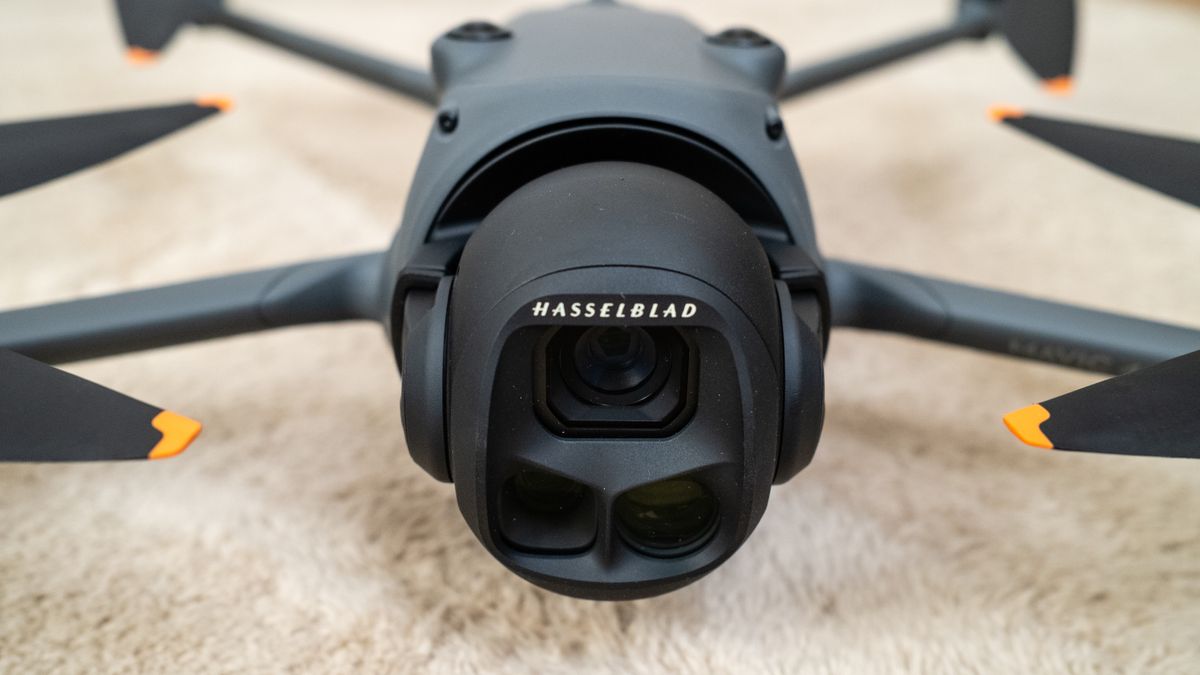
Grasping FAA guidelines is essential for drone operators, especially those pursuing innovative solutions in market applications. The Part 107 regulations provide a structure for drone operations within the United States, covering a range of topics from flight limitations to pilot licensing. Understanding the complexities of these regulations can be challenging; however, being familiar with the essential criteria to operate legally is necessary for a profitable UAS service. This includes knowing how to seek waivers for nocturnal flights and operations over people, which allow for greater flexibility but necessitate thorough documentation and supporting evidence.
Moreover, obtaining clearance for flying in class B airspace is vital and can be streamlined through the LAANC system. This program permits pilots to receive rapid approval for flying in restricted airspaces, if they meet the outlined requirements. Ensuring that all necessary documentation is prepared and authorized reduces the risk of legal issues and penalties. It is also wise for drone operators to stay informed on any updates in regulations or new initiatives from the FAA that could affect their operations.
Finally, maintaining adherence with regulations is not just about first-time permissions; it also involves ongoing responsibilities. This entails keeping precise flight logs, grasping maintenance requirements, and being aware of how weather conditions and equipment performance impact flight safety. By complying with these regulations diligently, drone operators can improve their credibility and ensure the security and compliance of their flight operations.
Methods for Precise Data Collection and Processing
Precise data gathering is pivotal in drone operations, particularly for activities requiring precision like mapping and surveying. One of the foundational elements is establishing the optimal ground control point (GCP) concentration. The GCPs provide benchmark points that ensure the data is georeferenced correctly and meets the project's precision specifications. Operators must evaluate the terrain and intended use of the data to determine the best number of points; too few can lead to errors, while too many can obscure processing without significant benefits.
When it comes to processing collected data, the choice between LiDAR and conventional photogrammetry methods can significantly affect outcomes. LiDAR excels in capturing detailed topographical information in a range of conditions, while photogrammetry is usually more suitable for visual inspections and producing high-resolution images. Understanding the processing workflow for each method, including software selection and algorithm use, is crucial in generating reliable results. Operators should get accustomed themselves with the nuances of each technique to enhance the effectiveness of the data.
In addition, calibration is a critical step that significantly influences data integrity. Ensuring that drone sensors, particularly the IMU and compass, are properly calibrated minimizes errors caused by magnetic interference. Regular checks before flights in varying environments can stop significant discrepancies in data. Training in the calibration process and routine maintenance can further enhance the reliability of the data collected, ensuring that operators can deliver superior results to their clients consistently.
Security and Maintenance in Professional Drone Use
Guaranteeing security in drone operations begins with rigorous pre-flight checks. Pilots should carefully inspect their drones for signs of wear or damage, focusing on key components such as propellers, batteries, and camera systems. A well-maintained drone is less likely to encounter technical failures that could lead to accidents. Additionally, operators must stay updated on local regulations and airspace restrictions to ensure compliance with FAA guidelines, especially regarding operations over people and night flying.
Regular maintenance is pivotal for prolonging the lifespan of drone equipment. This includes proper battery care, such as checking LiPo battery health and replacing them when they show significant degradation. Furthermore, keeping drone camera sensors and gimbal bearings clean can significantly enhance the quality of aerial footage. Operators should also document their maintenance routines to aid in commercial insurance audits, where detailed records can show diligence and responsibility.
Finally, operators should establish systematic logging of flight data to enhance safety during operations. This involves maintaining a professional flight log that tracks flight hours, locations, and any anomalies encountered. Such documentation is crucial not only for insurance purposes but also for refining operational strategies. By analyzing past flights, drone pilots can identify patterns that may indicate potential issues, thus leading to a proactive approach in both safety and care.