

As unmanned aerial vehicles continues evolving, so too do the various career paths accessible for talented operators. With applications spanning industries like real estate, agriculture, film, and public safety, drone pilots find themselves moving through a rapidly shifting landscape. Whether they are taking beautiful aerial footage for a wedding, surveying vast tracts of land for construction, or conducting vital inspections on infrastructure, the adaptability of drones has made them essential tools.
On the other hand, becoming a proficient drone pilot needs more than just merely flying skills. A comprehensive understanding of regulations, safety protocols, and sector-related technologies is necessary. For instance, understanding how to navigate FAA Part 107 waivers for after-dark flying and operations over people can create new opportunities for business. Additionally, understanding the specific documentation required for controlled airspace access via LAANC can simplify flight planning and execution. While discussing the multifaceted career of drone piloting, we'll cover crucial topics such as sensor calibration, professional flight log structuring, and the details of photogrammetry and LiDAR data processing, all of which are vital for pilots looking to excel in this ever-changing field.
Federal Aviation Administration Regulations and Exceptions
The FAA holds a vital role in overseeing drone operations in the U.S., ensuring safety for both the airspace and people on the ground. Under informative post , drone pilots are required to follow specific guidelines regarding flight operations, including limitations on flying at night and over dense areas. However, there are arrangements for obtaining waivers that permit such activities, allowing pilots to fly under circumstances that deviate from normal regulations, provided they can prove that their flight plans will be safe.
Navigating the waiver process can be challenging. Pilots interested in night flying or conducting operations over individuals must submit a detailed request to the Federal Aviation Administration, outlining the safety measures they will put in place. This may entail showing proof of their training, the capabilities of their drones, and how they will reduce risks associated with these activities. Understanding the exact requirements and documentation needed is crucial for a successful waiver application, as the FAA evaluates each request on a individual basis.
Securing waivers not only boosts a pilot's operational capabilities but also reflects a commitment to safety and compliance. Being well-versed in the FAA rules can aid drone pilots broaden their service options while complying with legal requirements. This knowledge not only enhances trustworthiness with clients but also guarantees that drone operations contribute positively to the changing landscape of unmanned aviation.
UAV Technology and Operational Strategies
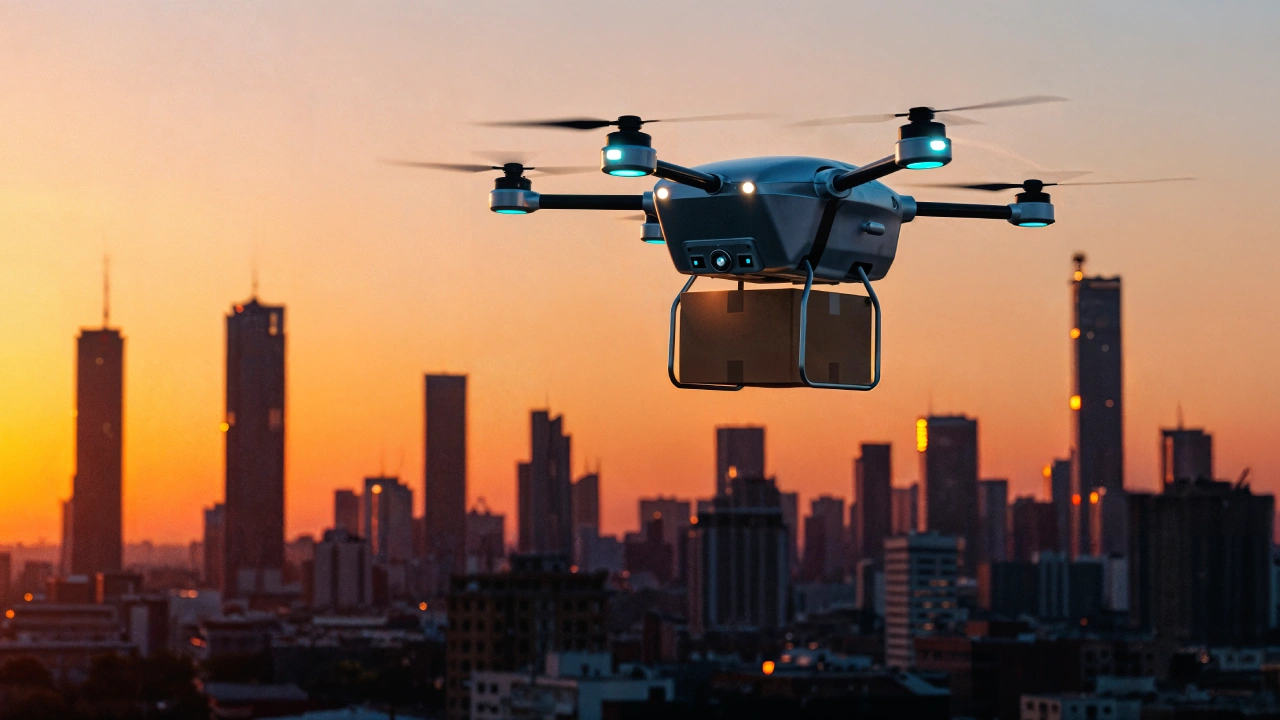
The advancement of drone technology has significantly improved operational abilities in diverse fields. One important advancement is the integration of high-quality detection systems and imaging devices, which enables for detailed mapping and inspection. Recognizing the difference between physical and digital shutters in UAV mapping is important for maximizing image quality. Drone Pilots Inverness Inverness-shire can reduce motion blur, while electronic shutters can offer quiet operation and longer exposure times, particularly useful for taking still images in demanding environments.
Another critical aspect of UAV operations is compliance to regulations and securely navigating airspace. The FAA Part 107 regulations dictate necessary requirements for commercial UAV pilots, including obtaining waivers for night flying and operations over people. Moreover, with the use of Low Altitude Authorization and Notification Capability, pilots can efficiently clear controlled airspace, thus streamlining flight planning and ensuring adherence with federal guidelines. weblink is essential for enhancing the efficiency of UAV services in building, property management, and emergency response.
In addition to technology and regulations, grasping UAV maintenance and performance is crucial for operational success. Battery health, for instance, is a key factor, as operators must know acceptable battery degradation levels before retiring LiPo flight packs. Furthermore, conducting regular maintenance, such as cleaning camera sensors and inspecting propellers, ensures drones operate securely and efficiently, ultimately enhancing reliability in business applications. With these strategies in place, drone pilots can optimize their operations to deliver top-notch results while maintaining safety and compliance.
Safety and Upkeep Procedures
Guaranteeing the security and durability of a UAV is essential for any pilot, especially those involved in business operations. Routine assessments of drone components, including propellers, motors, and instruments, are necessary. A thoroughly maintenance routine involves examining for any indications of damage, resolving issues quickly to avoid severe failings during flight. Operators should additionally ensure that batteries are powered up appropriately and maintained according to production guidelines to extend their service life and efficiency.
Another key aspect of maintenance is the adjustment of the UAV's compass and inertial measurement unit. Environmental factors can lead to magnetic noise, which may influence flight precision. Flyers should be mindful of surrounding magnetic fields, carry out regular tuning, and be equipped to troubleshoot issues related to compass or inertial measurement unit errors. Implementing these practices not only enhances flight safety but also improves the reliability of data collected during operations.
Lastly, maintaining a detailed flight log is essential for documenting operations and ensuring compliance with Federal Aviation Administration guidelines. This record should include details of every flight, such as duration, conditions, and any repairs performed. Maintaining accurate records can be invaluable during commercial coverage audits and helps in spotting issues that may require attention. By promoting a environment of security and diligent service, drone flyers can significantly reduce the chance of issues and improve operational efficiency.