

In a period in which technology ceaselessly transforms the world around us, UAV pilots are positioned at the forefront of the skyborne era, transforming various sectors and redefining the airspace. With the versatility and advancements that UAVs offer, these skilled operators assume varied roles, from scanning environments to shooting stunning aerial videos. Yet, maneuvering through the difficulties of drone operation requires not just a love for flying but also an in-depth comprehension of guidelines, technical knowledge, and safety measures.
As the requirement for drone services grows, so does the need for UAV operators to become knowledgeable in the nuances of their art. From comprehending the Federal Aviation Administration's Part 107 exceptions for night flying and operations over people to understanding the complexities of regulated airspaces via the LAANC, the path of a drone operator is one of ongoing growth and adjustment. This article looks into the critical skills, effective methods, and technical knowledge that operators must acquire to thrive in this ever-evolving field, leading to a new generation of drone innovators.
Federal Aviation Administration Regulations and Authorizations
Interpreting the Federal Aviation Administration's policies can be complex for drone pilots, particularly when it comes to specific operations like flying at night and conducting flights over individuals. While the FAA has set definite guidelines under Part 107 regulations, many commercial drone pilots seek waivers to broaden the scope of their drone operations. These waivers allow operators to fly under circumstances that would otherwise be not allowed, enabling a broader variety of uses in multiple industries.
To effectively obtain a waiver, it is crucial for pilots to thoroughly comprehend the documentation required by the Federal Aviation Administration. Drone Pilots Alvie Inverness-shire must show how security will be maintained despite flying beyond the typical regulations. This could encompass providing comprehensive operational plans, risk evaluations, and any required certifications. The procedure can be lengthy, but being thoroughly prepared can significantly boost the chances of getting accepted.
For operators looking to operate in regulated airspace, utilizing the LAANC system is essential. This system facilitates the procedure of obtaining the required authorizations to fly in designated areas, ensuring adherence with airspace regulations. Understanding how to properly navigate LAANC can ease the operational planning, allowing drone pilots to concentrate on carrying out their flights securely and effectively.
Technological Obstacles and Resolutions
Aerial vehicle pilots face many operational difficulties, particularly when navigating rules set forth by the FAA. For instance, understanding how to secure Federal Aviation Administration Part 107 waivers for night flying and operations over people can be challenging. Pilots must carefully prepare their applications, providing comprehensive safety procedures and risk assessments to ensure adherence. This procedure offers an occasion for pilots to demonstrate their skills while expanding their operational capabilities under the comprehensive set of guidelines of regulations.
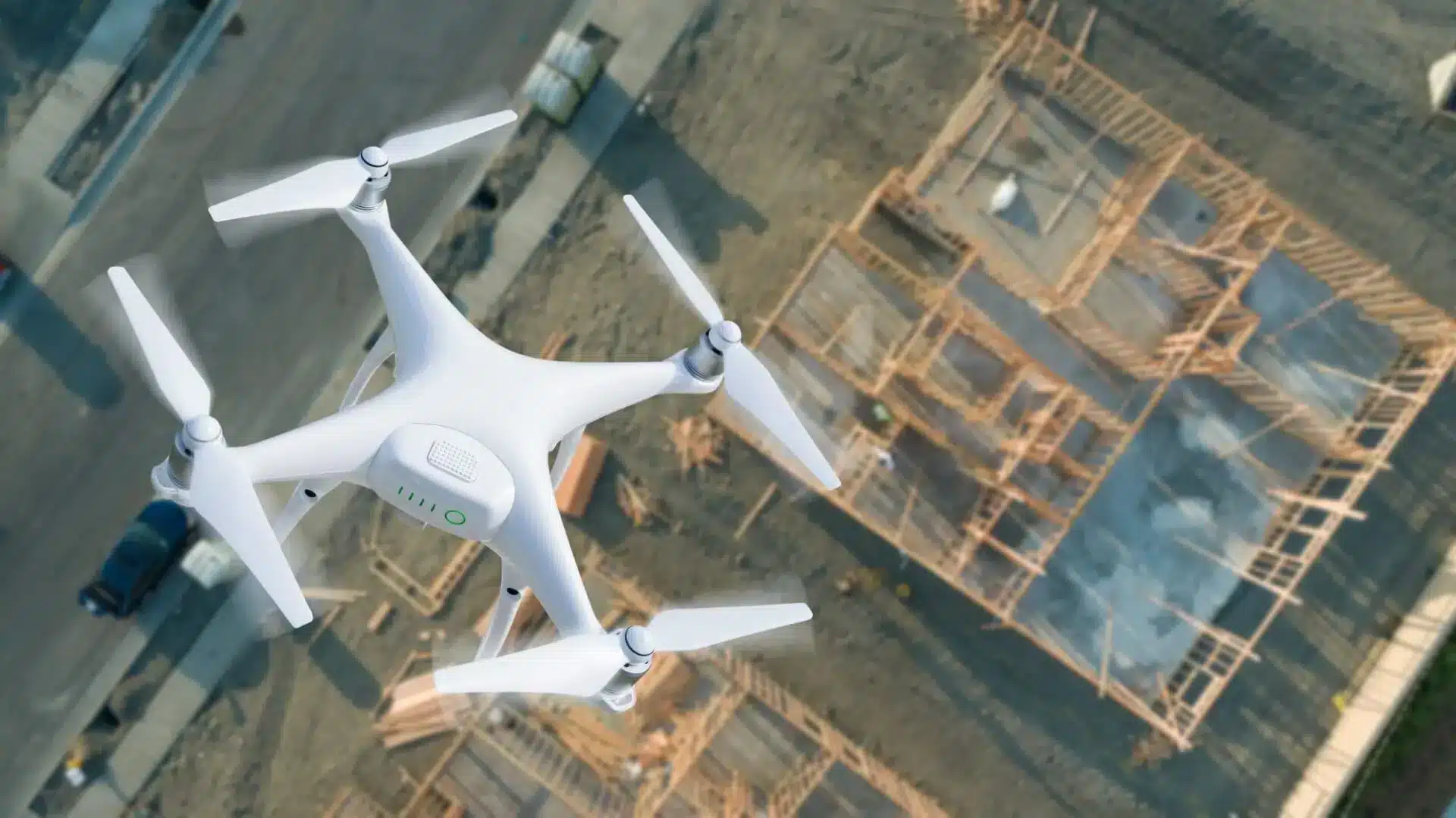
Another essential area of interest is the need to interact with the FAA for restricted airspace access. Utilizing the Low Altitude Authorization System (LAANC) platform is crucial for UAV operators to obtain the necessary documentation necessary for flying in these areas. By effectively using this technology, operators can simplify their flight planning procedures and safely integrate their missions within controlled airspace, ultimately boosting their productivity and conformity.
Additionally, understanding the equipment is vital for UAV pilots, particularly regarding the tuning of devices and systems. Magnetic interference significantly impacts the navigation system and IMU alignments, influencing flight control and precision. Understanding how to mitigate these effects not only improves flight safety but also enhances data quality during flights. Pilots can achieve this by regularly checking environmental factors and applying correct calibration techniques, ensuring dependable operation in diverse settings.
Business Operations and Best Methods
In the world of commercial unmanned aerial vehicle operations, grasping compliance requirements is paramount. Operators must navigate FAA Part 107 exemptions especially for after-dark flying and operations over populated areas, ensuring they meet specific paperwork requirements for clearing controlled airspace. Utilizing the Low Altitude Authorization and Notification Capability (LAANC) system streamlines this process, allowing pilots to operate inside regulatory bounds while enhancing operational flexibility.
Furthermore, drone operators need to execute stringent maintenance practices to enhance safety and efficiency. Frequent rotor inspections and balancing are essential for high-RPM compliance, while effective cleaning practices for camera sensors and gimbal bearings ensure ideal image quality. Drone Pilots Barra Inverness-shire to weather-related factors, such as wind and temperature effects on flight duration, is vital for planning missions and informing clients about practical operational times.
Lastly, meticulous record-keeping plays a crucial role in fostering professionalism in business operations. Structuring a detailed flight log not only aids in clarity for insurance audits but also establishes trustworthiness in the eyes of clients. By leveraging real-time telemetry data, operators can prevent potential flyaways, maintaining the integrity of flights. Grasping the operational details, from battery management to GPS correction systems, ultimately sets apart a successful drone pilot.