

As popularity of unmanned aerial vehicles keeps to soar, novice pilots are joining a environment full of possibilities and obstacles. If Drone Pilots Snizort Inverness-shire exploring the aerial realm for leisure purposes or venturing into commercial drone operations, understanding the subtleties of flying can aid guarantee both safety and success. With regulations regularly changing and technology progressing, it’s crucial to arm yourself with the appropriate information and abilities.
In this guide, we will navigate essential aspects of operating drones that are fundamental for novice pilots. From grasping FAA regulations and securing necessary waivers to perfecting technical skills like adjusting your drone’s navigation system and managing different types of camera shutters, we’ll provide advice to enhance your flying experience. Every aspect will offer practical tips and considerations, helping you to steer clear of common pitfalls while fostering your growth as a skilled and responsible drone pilot.
Federal Aviation Administration Rules and Waivers for Drone Operations
Navigating the intricacies of FAA regulations is a crucial aspect for new UAV pilots. Understanding the 107 regulations is vital, as it defines the guidelines for secure and lawful business drone flights. Whether it’s flying during daylight or conducting flights in certain airspaces, adherence with these rules ensures not only security but also credibility in commercial applications. Awareness of permissible heights, ranges, and flight restrictions can significantly impact the effectiveness of your UAV operations.
In certain situations, pilots may discover the necessity to request waivers to carry out flights that lie outside the standard rules, like operating at night or above individuals. The procedure for obtaining these exemptions involves providing a detailed application, describing the security protocols that will be in place. New operators should familiarize themselves with the particular criteria that the FAA uses to evaluate these exemption requests, as having a well-structured plan can greatly enhance the likelihood of approval.
Additionally, comprehending the necessary documentation for operating in restricted zones is vital for compliance and security. Operators can utilize the LAANC program to obtain immediate permission for flights in restricted zones. Knowing how to get access to and efficiently utilize the LAANC system not only simplifies the process of obtaining approvals but also aids pilots remain updated about airspace restrictions and changes, facilitating safe and effective operation operations.
Tactical Factors for Drone Performance and Safety
Understanding the impact of ambient factors on UAV functionality is vital for protected functioning. Intense winds and chilly temperatures can significantly reduce flight times, making it essential for drone users to monitor weather conditions closely. Pilots should acquaint themselves with the particular limitations of their drones in various weather situations and modify their operating plans as appropriate to guarantee protected operations.
Calibrating the UAV’s compass and Inertial Measurement Unit is one more key technological consideration, as electromagnetic interference can influence these systems. Pilots should be aware of their flying environments and take steps to lessen interference, such as performing calibrations away from ferromagnetic structures and additional possible sources of electromagnetic interference. Ongoing checks can help maintain accurate navigation and balance.
Additionally, comprehending the differences between multiple UAV systems is important. For case, the mechanics of RTK and Post-Processed Kinematic Global Positioning System accuracy systems play critical roles in accurate surveying. Choosing the appropriate technology for your particular use case can enhance the accuracy of your information gathering, making it important for operators to understand the mechanical foundations that influence their operations and consequences.
Best Practices for Commercial Drone Workflow and Insurance
Building a robust workflow is crucial for new drone pilots aiming to succeed in the commercial sector. One of the first steps is to keep a structured professional flight log. Drone Pilots Snizort Inverness-shire should record all flight operations carefully, including date, the time, location, flight duration, conditions, and goals. Such a thorough record becomes essential during insurance audits, providing underwriters and regulatory bodies with solid evidence of operational practices. Good documentation also assists claims concerning liability in the event of issues, reinforcing your professionalism and dedication to safety.
Knowing the types of insurance required for drone operations is of equal importance. Commercial liability insurance is often a must, and underwriters typically expect specific criteria, including the pilot’s qualifications, flight logs, and adherence with FAA regulations. Tailoring your coverage based on the types of missions you undertake—such as aerial photography or mapping—ensures you are properly protected. Engaging consistently with your insurer to review your policy can lead to adjustments based on your growing operational needs, thereby providing confidence as you handle increasingly complex drone landscapes.
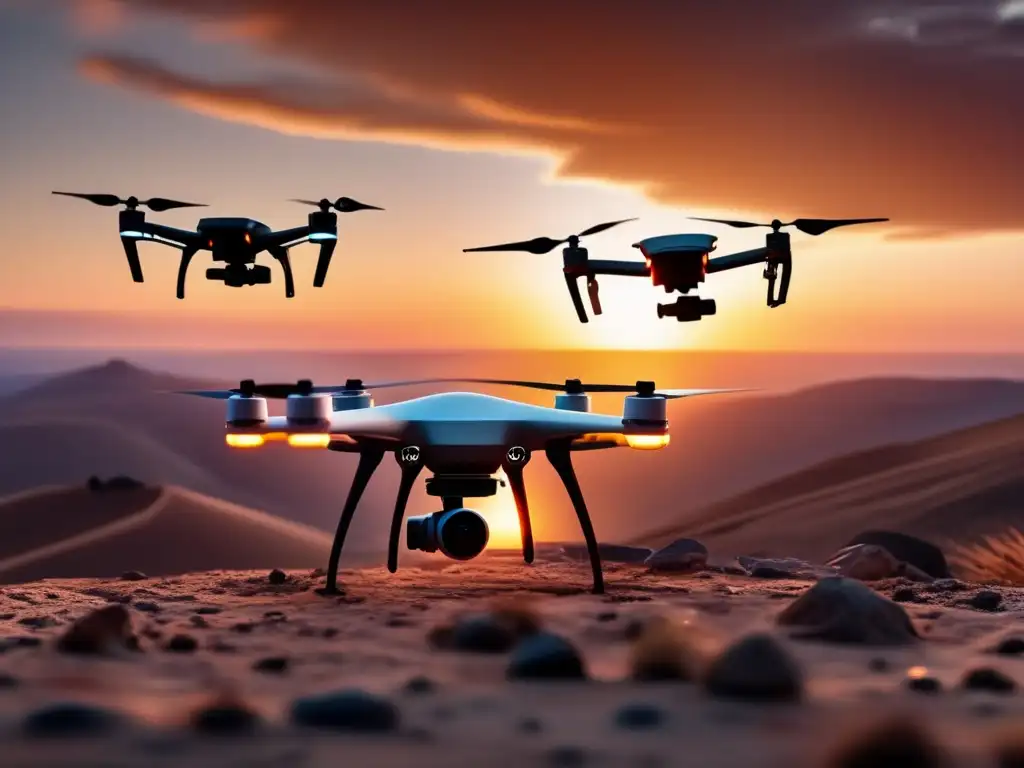
Adding regular maintenance checks into your workflow not only enhance safety but can also impact insurance costs. Diligent inspections of your drones, especially after crashes or difficult landings, are crucial. Keep a record of these maintenance activities, as they demonstrate to insurance providers your dedication to operational integrity. Furthermore, being proactive about equipment care, such as routinely cleaning lenses and sensors and calibrating compasses, bolsters the reliability of your drone while protecting your investment and reputation in the commercial market.