

As the sun sets over the horizon, the world of drone piloting comes alive with endless possibilities. Contemporary drone operators are not merely employing cutting-edge technology; they are explorers, capturing stunning aerial views and gathering vital insights for diverse fields. The progression of aerial drone systems has unlocked new avenues that were once thought to be limited to the realm of sci-fi. From surveying vast areas to conducting critical assessments, drone pilots are changing the way we perceive and engage with our surroundings.
Nonetheless, accompanying these thrilling prospects are challenges that require a deep understanding of regulations and technical intricacies. Navigating the FAA Part 107 waivers pertaining to night operations and flying over people, for example, is vital for operators seeking to enhance their operational scope. Moreover, comprehending the implications of regulated airspace and the pertinent documentation can greatly influence a pilot's ability to operate effectively. As we delve into the world of drone piloting, we will discuss a range of crucial subjects that all drone pilots need to know to boost their expertise while ensuring secure and regulatory-compliant operations.
Managing FAA Regulations
Navigating the complicated landscape of FAA regulations is crucial for unmanned aerial vehicle operators, particularly those engaged in commercial operations. Understanding the regulations of Part 107 is important to legally fly drones for business purposes. https://sensationsystems.bravejournal.net/this-art-and-study-of-drone-flight-navigation-the-pilots-view includes knowledge of VLOS, maximum altitude restrictions, and the need for certification as a remote pilot. For drone pilots wanting to push the boundaries, such as conducting night flights or operations over people, obtaining particular waivers under Part 107 is required. This procedure involves submitting comprehensive documentation and demonstrating how security will be maintained throughout flights.
One of the key aspects of operating in controlled airspace includes utilizing the Low Altitude Authorization and Notification Capability (LAANC) system. This web-based platform allows drone pilots to receive real-time airspace approvals for small Unmanned Aircraft System operations. The particular documentation required to navigate controlled airspace varies based on the nature of the flight. Understanding how to effectively use he has a good point can streamline the approval process and guarantee compliance with Federal Aviation Administration guidelines, ultimately improving operational safety and effectiveness.
Lastly, drone pilots must be cognizant of the significant impact of magnetic interference on their equipment. This can affect the tuning of both the drone's compass and the inertial measurement unit (IMU), resulting in navigational errors. Ensuring precise calibrations is crucial for safe and reliable flights. Additionally, pilots should frequently check for local magnetic disturbances that may disrupt performance, maintaining an informed approach to operational environments while following FAA’s safety guidelines. spintax #### Insights on Unmanned Aerial Vehicle Flying
Understanding the details of UAV operation is essential for any operator looking to perfect their skills. One of the key areas is maneuvering through regulatory waivers under FAA Part 107 related to night flying and operations over people. Operators must familiarize themselves with the particular documentation required, including showing a necessity for the waiver and adhering to safety protocols. Additionally, navigating controlled airspace using the Low Altitude Authorization and Notification Capability (LAANC) requires familiarity of airspace classifications and the ability to input accurate information to obtain necessary approvals swiftly.
An additional important aspect of drone operation is calibration and maintenance. Magnetic interference can significantly impact the drone's compass and inertial measurement unit (IMU), which are crucial for accurate positioning. Pilots should be mindful of how to troubleshoot these issues to maintain optimal flight conditions. Regular inspection of sensors and gimbal bearings is also essential; employing safe cleaning techniques can increase the lifespan of these components, ensuring that imagery remains distinct and stable throughout each flight.
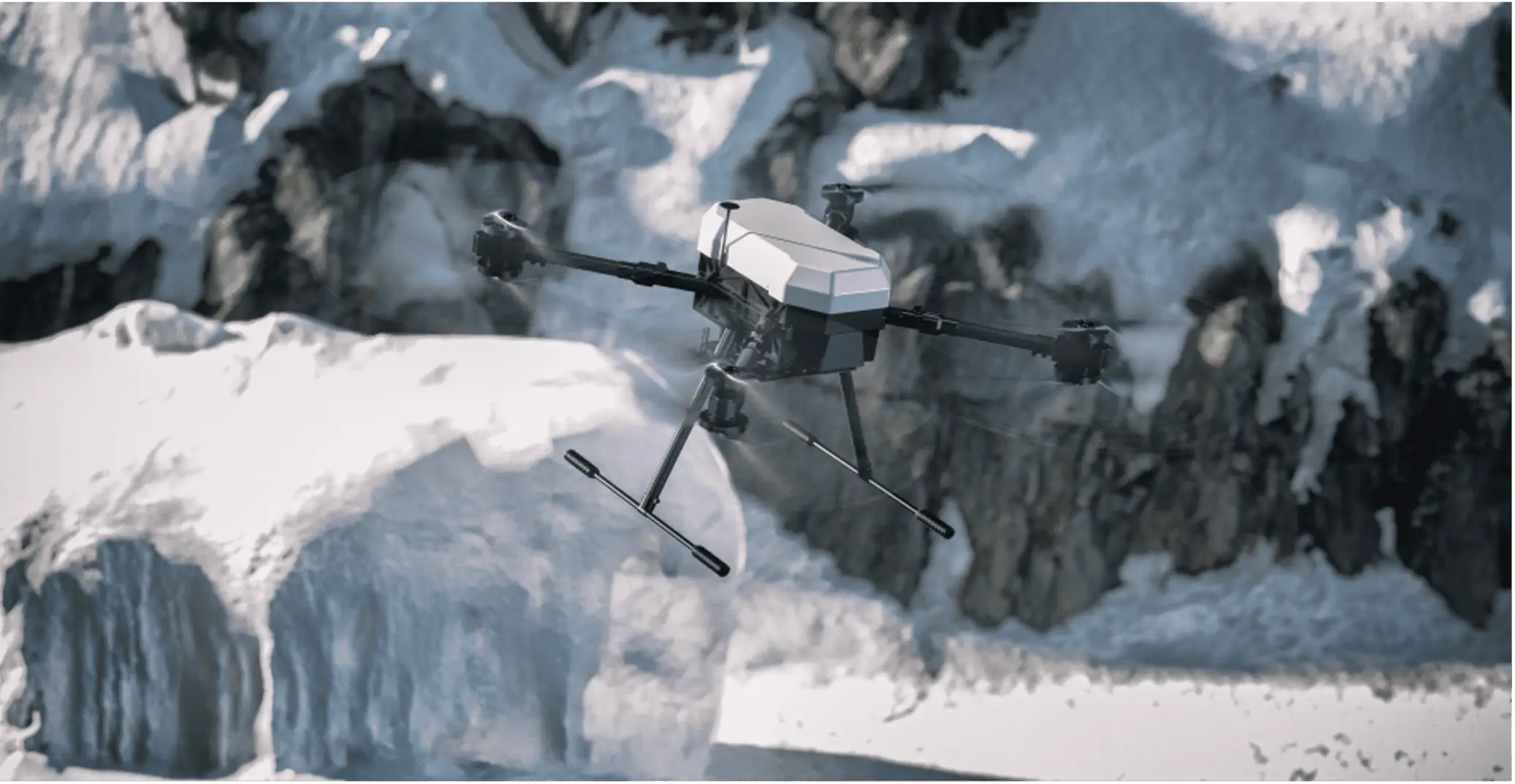
Additionally, grasping the mechanics of RTK versus PPK GPS correction systems can enhance precision in surveying applications. Each system has its benefits, with RTK offering real-time corrections and PPK providing post-flight processing advantages. By evaluating the project's requirements and desired accuracy, drone pilots can select the most fitting system for applications ranging from topographical surveys to detailed photogrammetry. Understanding of these technical aspects not only enhances operational efficiency but also ensures compliance with industry standards.
Best Practices for Drone Maintenance and Safety
Caring for your drone is essential for safe and effective operations. Consistent inspections are important to spot any damage or problems, particularly to components that experience notable stress, such as blades and motors. Be sure to check for cracks or bends in rotors, inspect the power source for puffing, and verify all connections are tight. Keeping the drone well-maintained, especially the camera lens and detection devices, will also improve the quality of your video and ensure precise data collection.
Understanding how surrounding conditions impact drone functionality is important to safety. Strong winds and cold temperatures can drastically reduce flight times and impact stability. Always check weather reports before flying and be ready to change plans if conditions are not ideal. Additionally, comply with FAA rules regarding airspace classifications and VLOS to maintain hazard-free operations and prevent potential incidents.
Lastly, keeping a comprehensive flight log is a beneficial habit for both maintenance and insurance purposes. Recording Drone Pilots Inverness Inverness-shire , including time, location, and any challenges encountered, provides a explicit record that can be useful for troubleshooting and for insurance audits. This practice not only boosts your flight operations but also helps in maintaining accountability and expertise in your drone piloting activities.