

While keeps advancing, the function of a drone pilot has transformed into a multifaceted blend of creativity and technical skills. Flying through the atmosphere requires not just an understanding of the drone's capabilities along with a mastery of regulatory requirements, surrounding environments, and advanced imaging techniques. Whether taking breathtaking high-altitude videos or conducting precise surveying operations, drone pilots must stay well-versed in a variety of factors that influence their flight experience.
From securing FAA Part 107 waivers for night operations and operations over people to understanding the subtleties of controlled airspace through the LAANC process, every aspect is critical for ensuring a safe and successful operation. Additionally, Drone Pilots Inverness Inverness-shire of drone technology, such as the distinctions between mechanical shutters and electronic ones or the impact of magnetic interference on calibration, can significantly affect the quality of the work created. This article discusses the art and science of drone navigation from a pilot's perspective, exploring the essential skills and insights required to succeed in this ever-evolving industry.
Navigating FAA Guidelines and Waivers
For UAV operators, grasping FAA rules is crucial for secure and compliant functioning. The FAA Part 107 guidelines specify the basic rules for operating drones for business purposes, including limitations on flying at night and above people. However, operators desiring to operate under these conditions must navigate the exemption process, which can seem intimidating. Filing a request demands a thorough knowledge of the particular requirements, a showing of security, and a clear operational strategy that tackles possible risks linked to these distinct flying situations.
Once armed with the knowledge of necessary documentation, pilots can simplify their efforts to acquire a permit for night operations or activities over individuals. This consists of outlining the security measures and hazard reduction strategies that will be implemented to ensure the protection of individuals on the ground. Drone Pilots Barra Inverness-shire should be prepared to provide detailed information about their equipment and any additional training or certifications they possess that support their request, ultimately assisting the FAA assess their ability to operate safely.
Moreover, grasping how to use tools like the Low Altitude Authorization and Notification Capability (LAANC) is crucial for operators wanting to clear controlled airspace efficiently. LAANC provides near-instant approvals for drone flights in controlled airspace, facilitating the planning process. By following a systematic method to both exemptions and LAANC, drone pilots can better position themselves for achievement in the complex compliance environment of business drone operations.
Key Insights for Unmanned Aerial Systems
Steering the complexities of drone operations demands a robust understanding of both the art and technical aspects behind the technology. One critical aspect is mastering the Federal Aviation Administration Part 107 regulations, particularly when seeking to acquire waivers for nocturnal operations and operations over people. Pilots should prepare thorough records demonstrating their capability to fly safely under these situations, which can often involve detailed hazard evaluations and operational plans tailored to specific scenarios.
Another significant factor in the navigation of drones is comprehending controlled airspace and the importance of Low Altitude Authorization and Notification Capability (LAANC). This tool streamlines the process for gaining airspace authorization, permitting pilots to access controlled airspace with the appropriate paperwork and efficient communication with air traffic authorities. Becoming familiar with LAANC protocols is important for securing compliance and steering clear of violations that could threaten both the mission and the pilot's credentials.
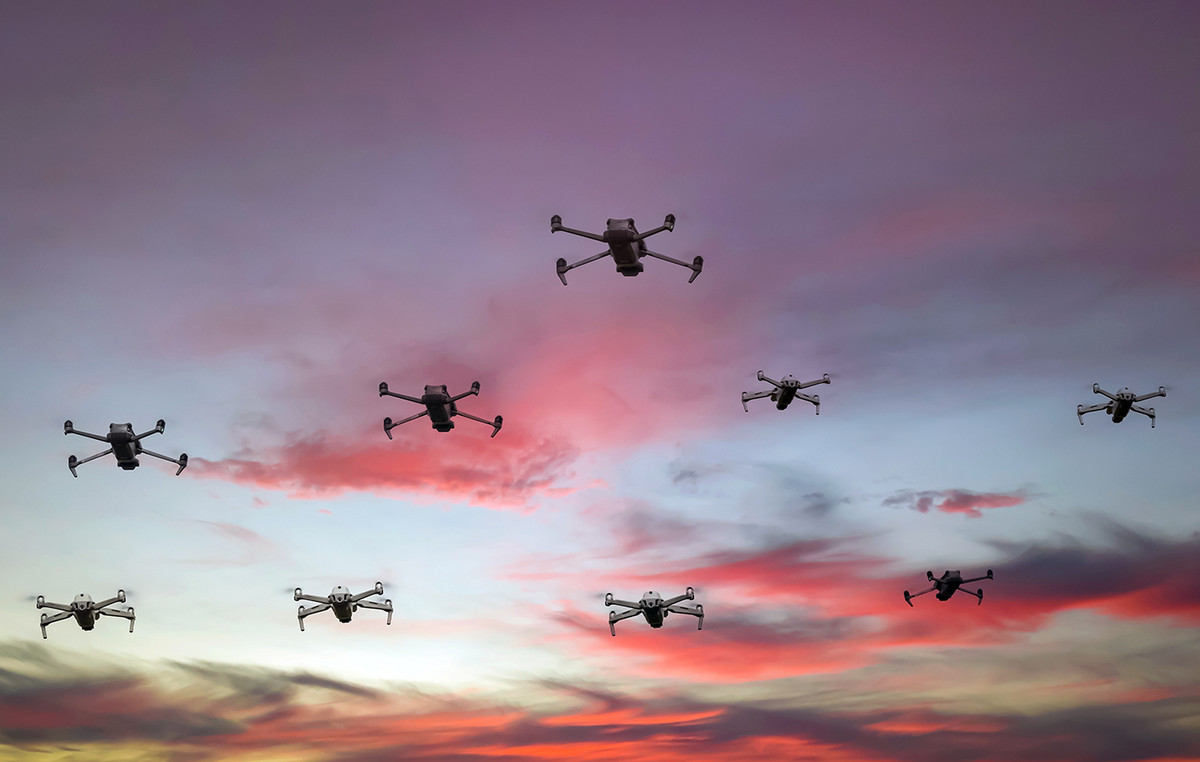
Moreover, the influence of magnetic disturbance on drone navigation cannot be understated. Setting of the drone's compass and Inertial Measurement Unit (IMU) is crucial for maintaining precise flight routes. Pilots should be cognizant of environmental factors that may interfere with sensor readings and take proactive steps to conduct calibrations before and during flights. Grasping these technical aspects will empower pilots to make knowledgeable decisions that improve the safety and productivity of their operations.
Maintenance and Safety Optimal Practices
To guarantee the durability and effectiveness of drones, regular maintenance is essential. This entails comprehensive inspections of every components before and after flights. Inspecting the rotors for signs of wear or deterioration, ensuring camera sensors and gimbal bearings are free of debris, and confirming that batteries are in optimal condition can avert potential malfunctions during critical operations. Implementing a structured approach to maintenance not only enhances safety but also builds trust with clients, particularly in commercial settings.
Recognizing the importance of calibration and updates is paramount. Magnetic interference can impact a drone's compass and IMU calibrations, resulting in navigation mistakes. Pilots should routinely check and recalibrate these systems, particularly when flying in areas known for magnetic anomalies. Additionally, keeping firmware updated ensures drones are functioning with the latest safety features and enhancements, thus protecting investment and operational integrity.
Flight logs play a vital role in maintaining compliance with regulations, particularly for commercial drone pilots. A well-structured flight log serves not only for individual record-keeping but also satisfies the requirements of insurance audits. Documenting important data such as flight hours, maintenance checks, and occurrences can provide a clear overview of the drone’s flight history. Making sure that all documentation is accurate and current contributes to clear operations, simplifying the process to navigate through FAA regulations and insurance requirements effectively.